Regulated Legal Team
Driscoll Kingston & Co Limited
Legal work is provided by Driscoll Kingston & Co Limited, authorised and regulated by the SRA (839699).
A service of Driscoll Kingston & Co Limited, authorised and regulated by the SRA (839699). Awaabs-law.com is not a government website.
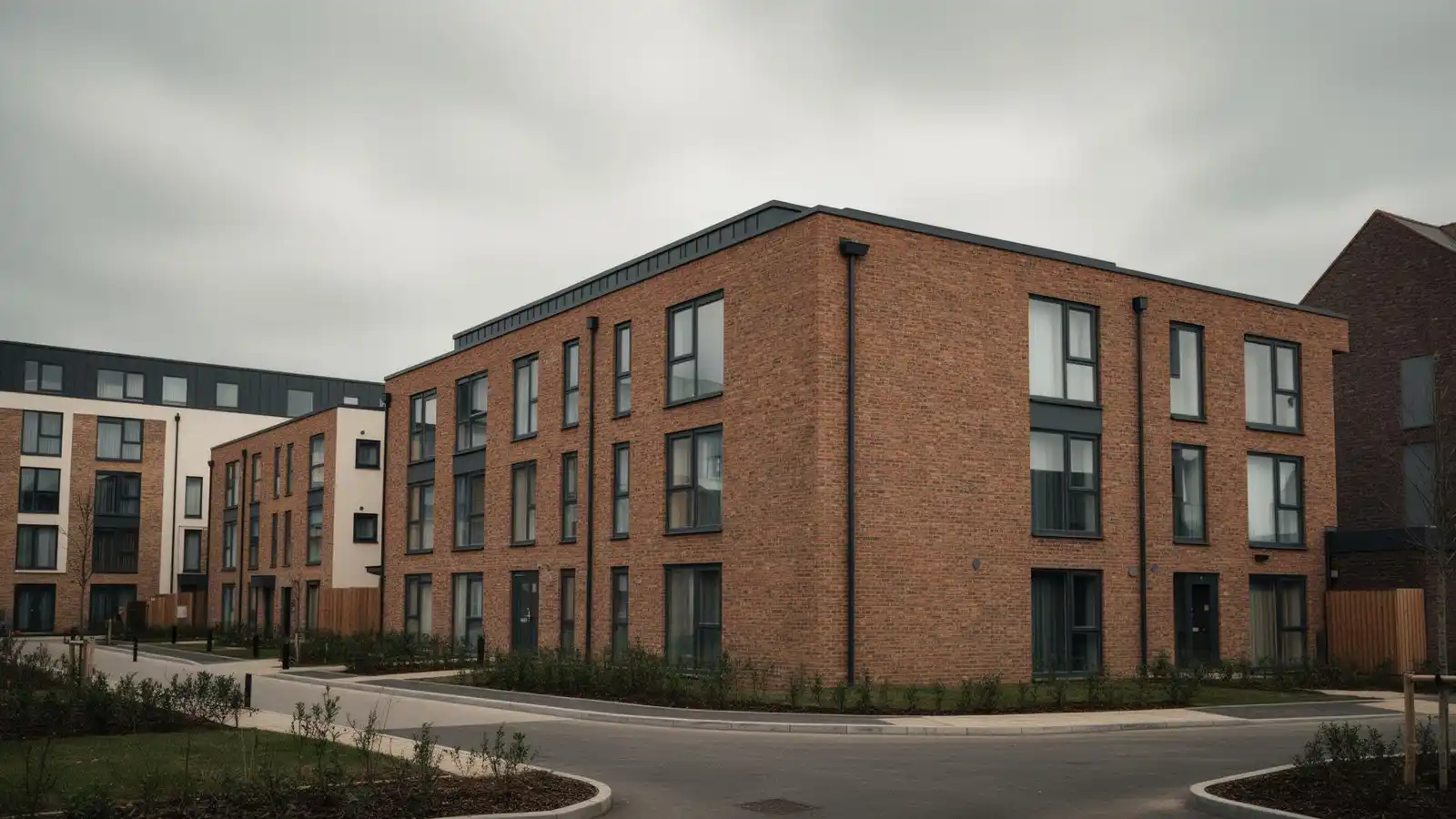
Living with damp, mould, leaks or heating problems your landlord has not resolved? Driscoll Kingston & Co Limited helps tenants in England understand their repair, complaint and compensation options. Awaab's Law gives eligible social tenants time-limited protection for emergency hazards and significant damp and mould.
Awaab's Law Phase 1
After the investigation, separate deadlines apply to making the home safe, providing a written summary and progressing further work.
Clear provider information, careful eligibility checks and transparent funding are central to our service.
Driscoll Kingston & Co Limited
Dedicated Housing Team
Established Legal Process
Conditional Fee Agreement
Section 11 requires landlords to keep the structure and exterior of dwellings in repair, including installations for water, gas, electricity, sanitation, and heating.
Awaab's Law Phase 1 applies to relevant social housing in England: emergency hazards must be investigated and made safe within 24 hours, while significant damp and mould must be investigated within 10 working days before further duties apply.
Get a free, no-obligation consultation. Whether you're dealing with damp, mould, a broken boiler, or structural problems — we'll assess your case and explain your options.
Did you know? Under the Pre-Action Protocol for Housing Conditions Claims (England), parties are expected to exchange information and try to resolve suitable claims before court proceedings. Different or urgent routes may apply.
Landlords in England have legal repair duties for all of these problems. For social housing, Awaab's Law adds fixed timeframes to investigate and make homes safe. If your landlord has failed to act, you may be entitled to compensation.
Awaab's Law significant or emergency hazard, depending on the risk
Common Problems
Tenant Health Impact
Can trigger or worsen asthma, allergies and other breathing problems, especially for children and people with health conditions
Excess cold — an Awaab's Law significant hazard from 30 November 2026
Common Problems
Tenant Health Impact
Cold homes put older people, young children and people with heart or lung conditions at greater risk
Added to Awaab's Law significant hazards from 30 November 2026
Common Problems
Tenant Health Impact
Risk of electric shock, burns, fire and injury from falling or collapsing structures
Sanitation, drainage and water supply repairs
Common Problems
Tenant Health Impact
Exposure to sewage, contaminated water and pests
We provide regulated legal assessments for tenants in England and explain legal claims alongside free complaint and redress routes. Case acceptance and funding depend on the facts.
We distinguish Awaab's Law duties from wider housing-condition claims and assess which rules apply to your circumstances.
We identify urgent safety concerns and explain appropriate legal, complaint and emergency routes without promising a particular outcome.
Eligible cases may use a Conditional Fee Agreement. We explain possible success-fee and insurance deductions before you decide.
Legal services are provided by Driscoll Kingston & Co Limited, SRA number 839699.
A personal case handler guides you through every step, keeping you informed and supported throughout.
We consider the tenancy, landlord notice, repair history, evidence, losses and available remedies before advising on next steps.
Awaab's Law applies to social housing in England. Emergency hazards must be investigated and made safe within 24 hours. Potential significant hazards must be investigated within 10 working days, after which separate deadlines apply to making the home safe, giving a written summary and progressing further work. Until 30 November 2026 the significant-hazard rules cover damp and mould.
From 30 November 2026 the same timeframes extend to further significant hazards in social housing, including excess cold and heat, falls, structural collapse, fire and explosions, electrical hazards and domestic hygiene hazards.
Awaab's Law currently applies to social housing in England. The Renters' Rights Act 2025 provides for future requirements in the private rented sector, and the Government is consulting on how they should work until 18 December 2026. No start date for private landlords has been set. Private tenants can still have repair rights under the Landlord and Tenant Act 1985.
An emergency hazard poses an imminent and significant risk of harm to an occupant's health or safety — a risk a reasonable landlord would make safe within 24 hours. Gas leaks, dangerous electrical faults, major leaks, heating failures or severe damp and mould may qualify depending on the actual risk and household circumstances; the label is not automatic.
A missed duty may support a complaint, enforcement or a legal claim, but compensation is not automatic. The available remedy depends on the tenancy, hazard, notice, landlord response, loss, evidence and applicable cause of action.
Compensation depends on the seriousness and duration of the conditions, the effect on the use of the home, proven financial loss and any medically supported injury. No percentage or amount is guaranteed.
A Category 1 hazard is an HHSRS assessment indicating a serious risk. It is not automatically the same as an emergency hazard under Awaab's Law; the applicable response depends on the statutory assessment and current implementation phase.
Key evidence includes dated photos or videos of the disrepair, copies of repair requests and correspondence with your landlord, medical records where health has been affected, receipts for damaged belongings, and records of any complaints to the landlord or Housing Ombudsman.
The Housing Ombudsman investigates complaints about social landlords in England. You can usually take an unresolved complaint to the Ombudsman after completing your landlord's complaints process. The Ombudsman generally cannot investigate matters that are the subject of court proceedings, so get advice before pursuing both routes.
Read the full guides to Awaab's Law and housing disrepair claims.